

Negative SEO : All possible Attack you must Know to Protect your site

Search Engine Optimization (SEO) is often seen as a positive and ethical way to improve a website's visibility in search engine results. However, not all SEO practices are ethical. Negative SEO is a malicious technique used to harm competitors by sabotaging their rankings in search engine results. This article delves deep into what negative SEO is, its types, methods used, its impact, and how to protect against it.
What is Negative SEO?
Negative SEO refers to unethical tactics used to damage a competitor’s search engine rankings. Unlike traditional SEO, which focuses on improving a website's rankings through quality content, backlinks, and on-page optimization, negative SEO involves sabotaging a competitor’s site to make it appear spammy or untrustworthy in the eyes of search engines like Google.
Negative SEO is against Google’s Webmaster Guidelines and, if detected, can lead to penalties for those who engage in it. However, identifying and proving negative SEO can be challenging, making it a persistent threat to website owners.
Types of Negative SEO
1. Spammy Link Building
One of the most common negative SEO tactics involves creating low-quality, spammy backlinks to a competitor's site. These links often come from irrelevant, adult, or spam-infested websites, making it appear as though the site is engaging in manipulative link-building practices. This tactic can trigger Google’s Penguin algorithm, which penalizes sites with unnatural backlink profiles, leading to ranking drops.
2. Hacking and Site Compromise
Hackers may break into a website and alter its content, inject malicious code, or remove important pages to damage rankings. Google penalizes hacked websites, which can result in loss of traffic and credibility. A compromised website may also redirect users to spammy or malicious sites, further harming its reputation and user trust.
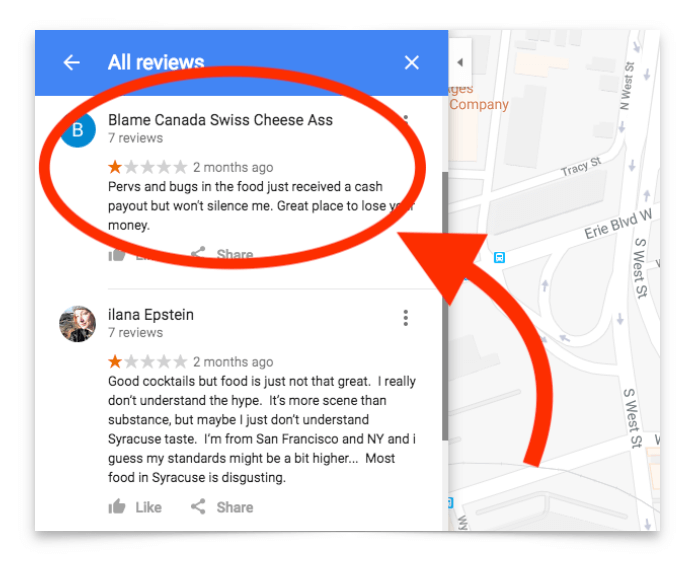
3. Fake Negative Reviews
Negative SEO practitioners may post fake negative reviews about a business on platforms like Google My Business, Yelp, or Trustpilot to damage its reputation and search engine rankings. A high volume of negative reviews can cause a drop in customer trust, reduced click-through rates, and loss of business revenue.
4. Content Scraping and Duplication
Scraping content from a website and publishing it across multiple sites can create duplicate content issues, leading to potential penalties from Google. This can result in the original content losing its ranking authority. In some cases, Google may mistakenly attribute the copied content to the spam site instead of the original, affecting the site’s visibility.
5. Deindexing Requests
Some attackers may submit fake deindexing requests to Google using the Google Search Console, attempting to remove a competitor’s pages from search engine results. If successful, this can result in a website disappearing from search rankings, leading to a sudden and severe drop in traffic.
6. Crawling and Server Overloading
Excessive crawling of a website using bots can overload the server, causing downtime and making the site inaccessible to users and search engines. Frequent downtime can negatively impact rankings. Some attackers use Distributed Denial of Service (DDoS) attacks to overwhelm a site’s server, making it temporarily or permanently unavailable.
7. Click Fraud
In Pay-Per-Click (PPC) campaigns, attackers may repeatedly click on paid ads to exhaust a competitor’s budget, leading to financial loss and reduced ad visibility. This can skew marketing metrics and cause businesses to lose advertising money without gaining any real customers.
8. Fake Social Media Mentions and Reports
Spreading false claims about a website on social media or reporting it as spam to search engines can lead to penalties or suspension of social media accounts. Some attackers create fake accounts impersonating a business and post spammy or controversial content to damage its brand reputation.
9. Altering Robots.txt File
A malicious attacker with access to a website's files can modify the robots.txt file to block search engines from indexing the site. This can lead to a complete removal of pages from search results, drastically reducing organic traffic.
10. Poisoning Local SEO Listings
Negative SEO tactics can extend to local SEO by altering Google My Business listings, changing business information, or submitting fake “closed permanently” reports. These actions can mislead potential customers and drive business away.
Impact of Negative SEO
Negative SEO can have severe consequences for businesses, including:
Drop in Rankings: Spammy backlinks or duplicated content can lead to ranking penalties.
Loss of Traffic: Decreased rankings lead to lower organic traffic, reducing leads and conversions.
Reputation Damage: Fake negative reviews and social media attacks can harm brand credibility.
Financial Loss: Click fraud and loss of organic traffic can result in revenue decline.
Security Risks: Hacking attempts pose risks to user data and website integrity.
How to Protect Against Negative SEO
1. Monitor Backlinks Regularly
Use tools like Google Search Console, Ahrefs, or SEMrush to check for toxic backlinks. If you find spammy links, use Google’s Disavow Tool to remove them.
2. Secure Your Website
Implement security measures such as HTTPS, firewalls, and strong passwords. Regularly update plugins, themes, and software to prevent hacking attempts.
3. Monitor Site Performance
Use Google Analytics and Google Search Console to track traffic fluctuations, crawl errors, and indexing issues.
4. Set Up Google Alerts
Receive notifications for mentions of your brand or website. This helps identify negative publicity or duplicate content attacks.
5. Report Fake Reviews
If your business receives fake reviews, report them to the relevant platform (Google, Yelp, Trustpilot) for removal.
6. Use Robots.txt and Canonical Tags
Prevent content scraping by blocking malicious bots in your robots.txt file. Use canonical tags to indicate the original content source.
7. Protect Your Google Search Console Account
Ensure that only trusted individuals have access to your Search Console to prevent unauthorized deindexing requests.
8. Monitor Server Load and Uptime
Use services like UptimeRobot or Pingdom to check for excessive server requests and downtime caused by bot attacks.
Conclusion
Negative SEO is a growing concern in the digital marketing world. While Google continues to improve its algorithms to detect and mitigate such attacks, website owners must remain vigilant. By actively monitoring backlinks, securing websites, and staying aware of malicious activities, businesses can safeguard their rankings and reputation from negative SEO attacks.
If you suspect negative SEO, take immediate action by disavowing toxic links, reporting fake reviews, and enhancing website security. Staying proactive is the best defense against this unethical practice.


